
Many renowned figures in painting, literature, and music remained relatively unknown during their lifetimes, only gaining fame or iconic status posthumously. This often happens because of shifting cultural tastes, the efforts of their surviving families, or recognition of their innovation by later historians and critics.
A prime example is Vincent van Gogh (1853–1890), who sold just one painting when he was alive and struggled with poverty and mental health issues. His recognition grew mostly after his death, thanks to his sister-in-law, who diligently promoted his art and shared his letters. Only about 10 of Emily Dickinson’s (1830-1886) nearly 1,800 poems were published during her lifetime, often heavily edited to meet the standards of the time. Her sister found her hand-bound volumes after her death and worked to have them published. Delta blues musician Robert Johnson (1911–1938), who died young and was initially known only to a local audience, gained wider recognition through 1960s reissues of his recordings. This exposure influenced a new wave of rock icons like Eric Clapton and Keith Richards, establishing his name long after his death.
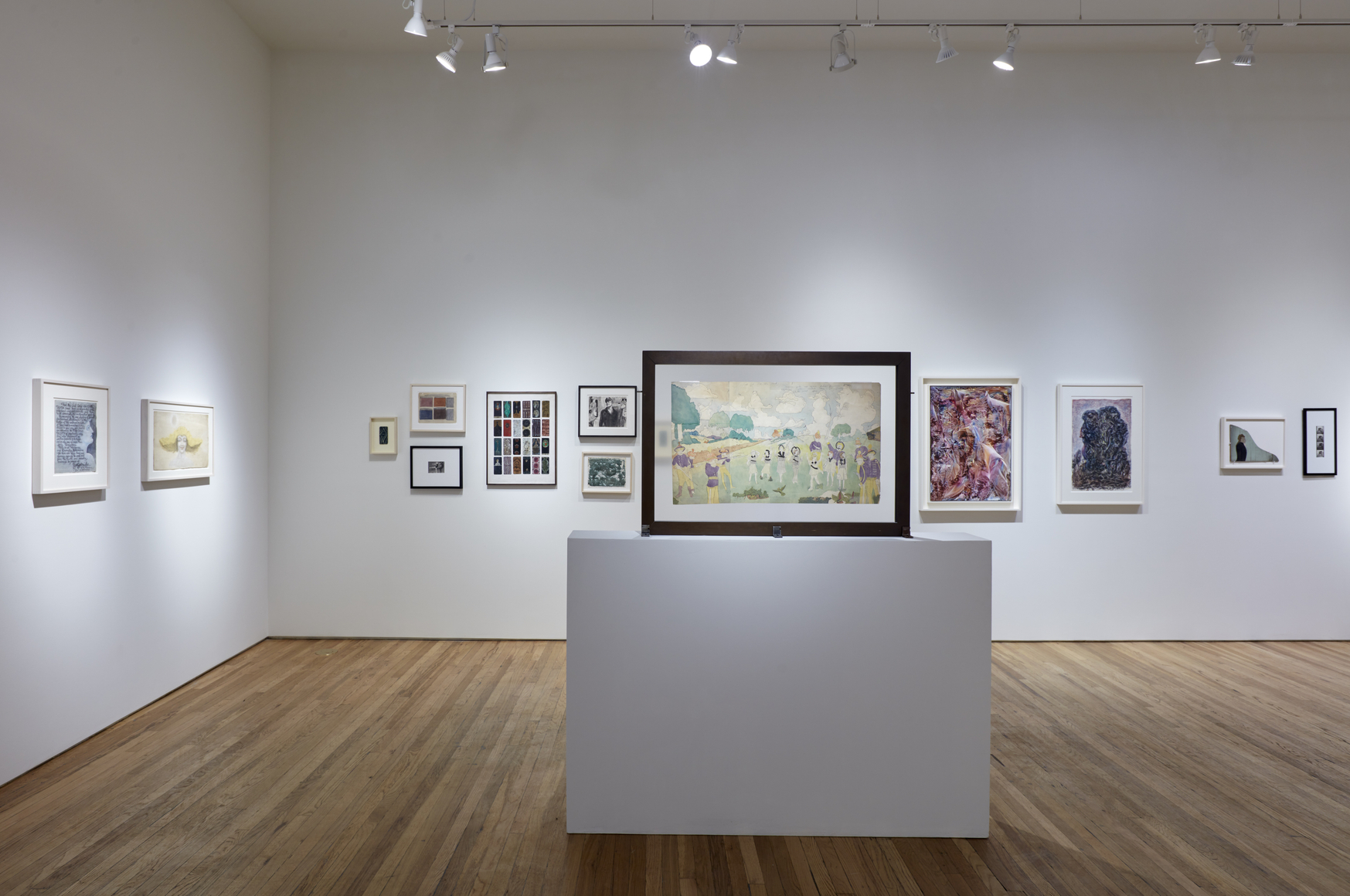
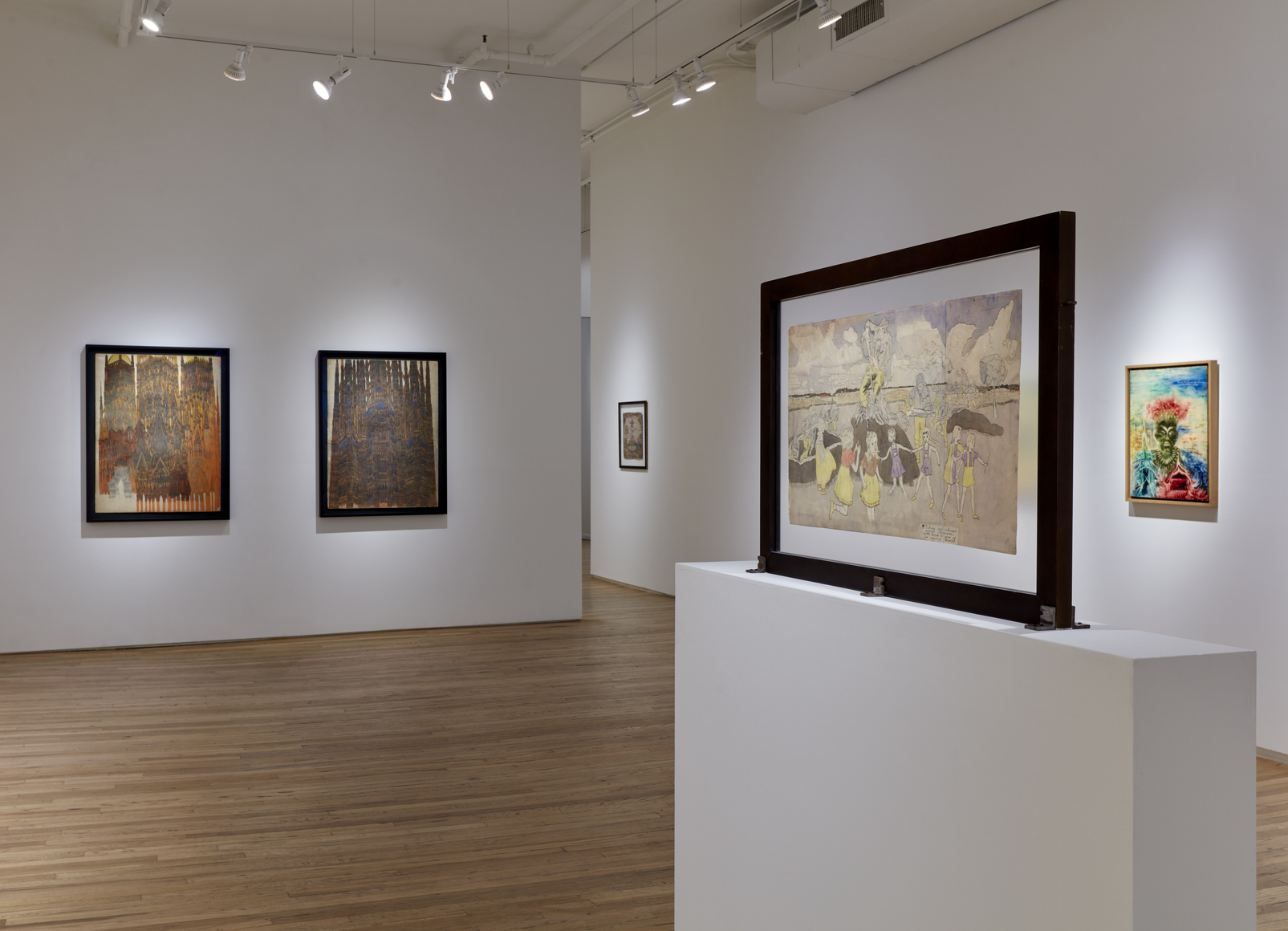
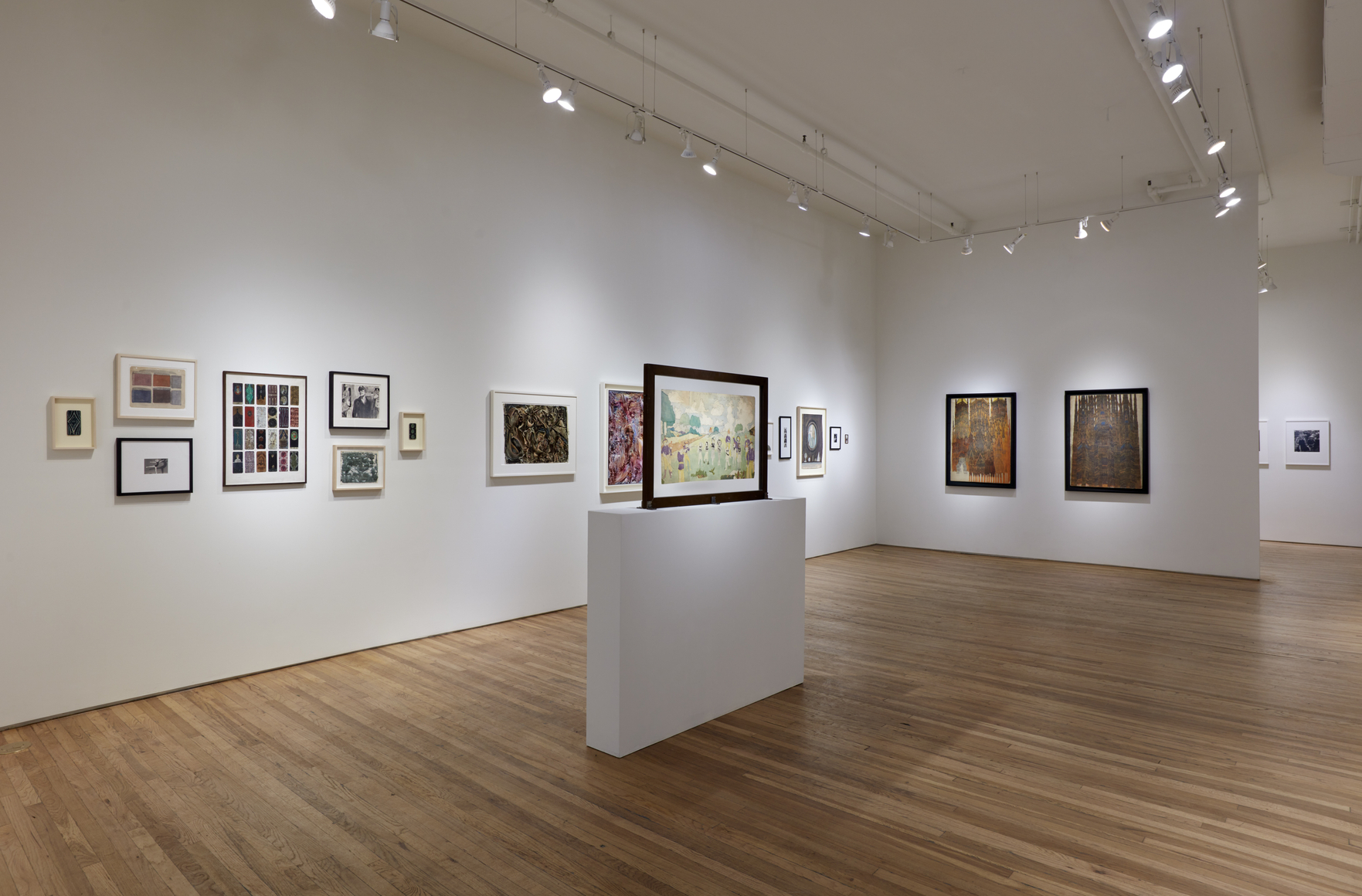
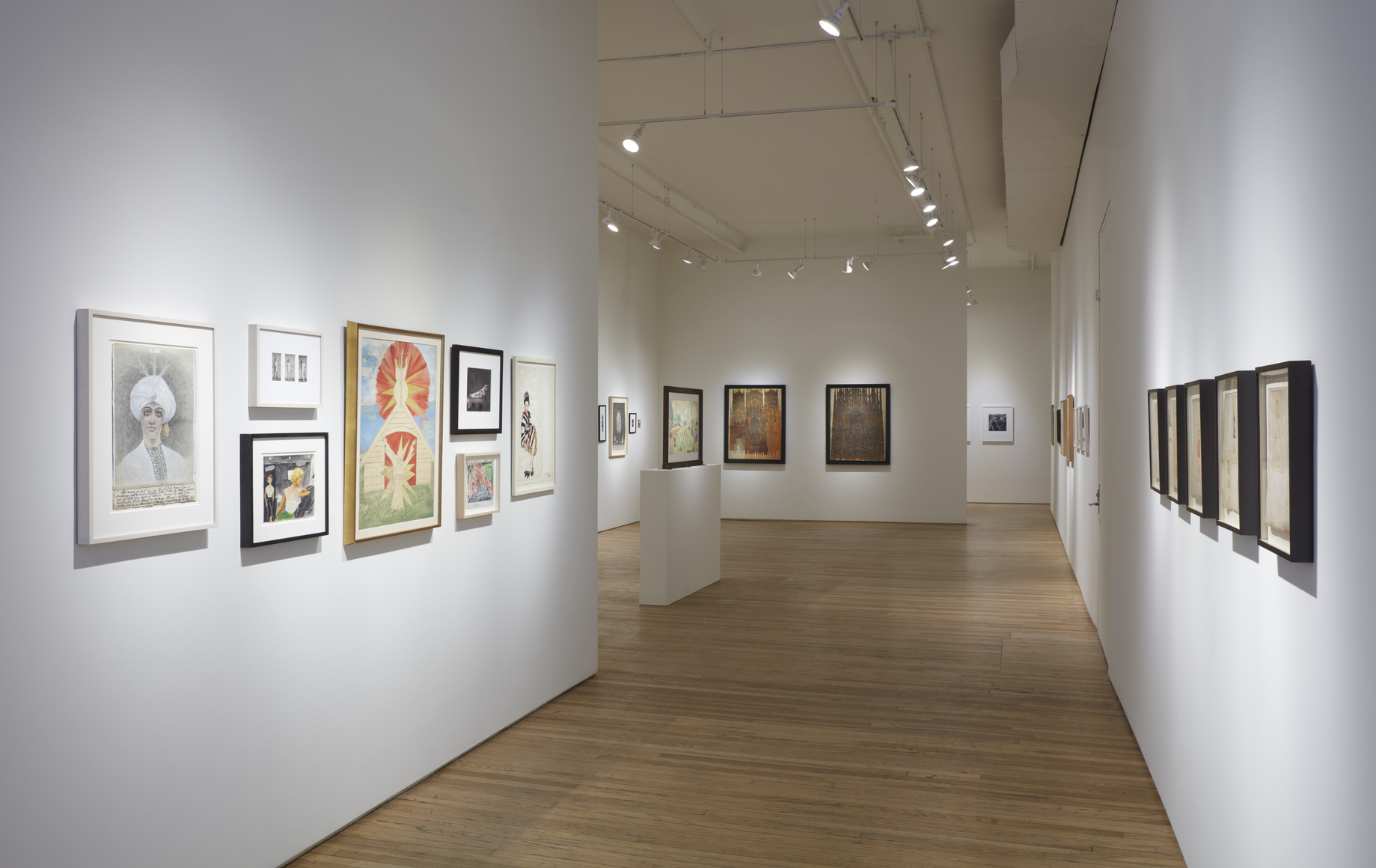
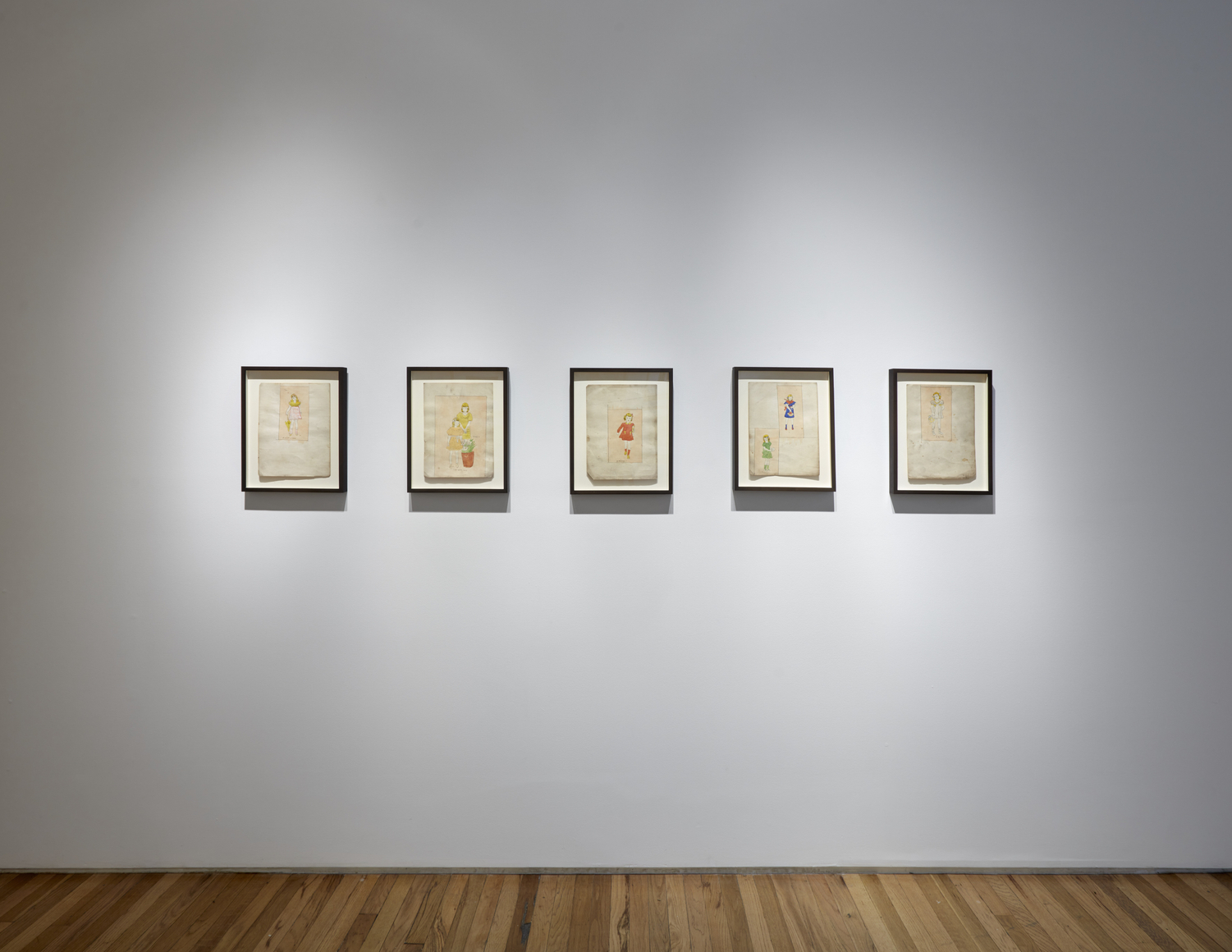
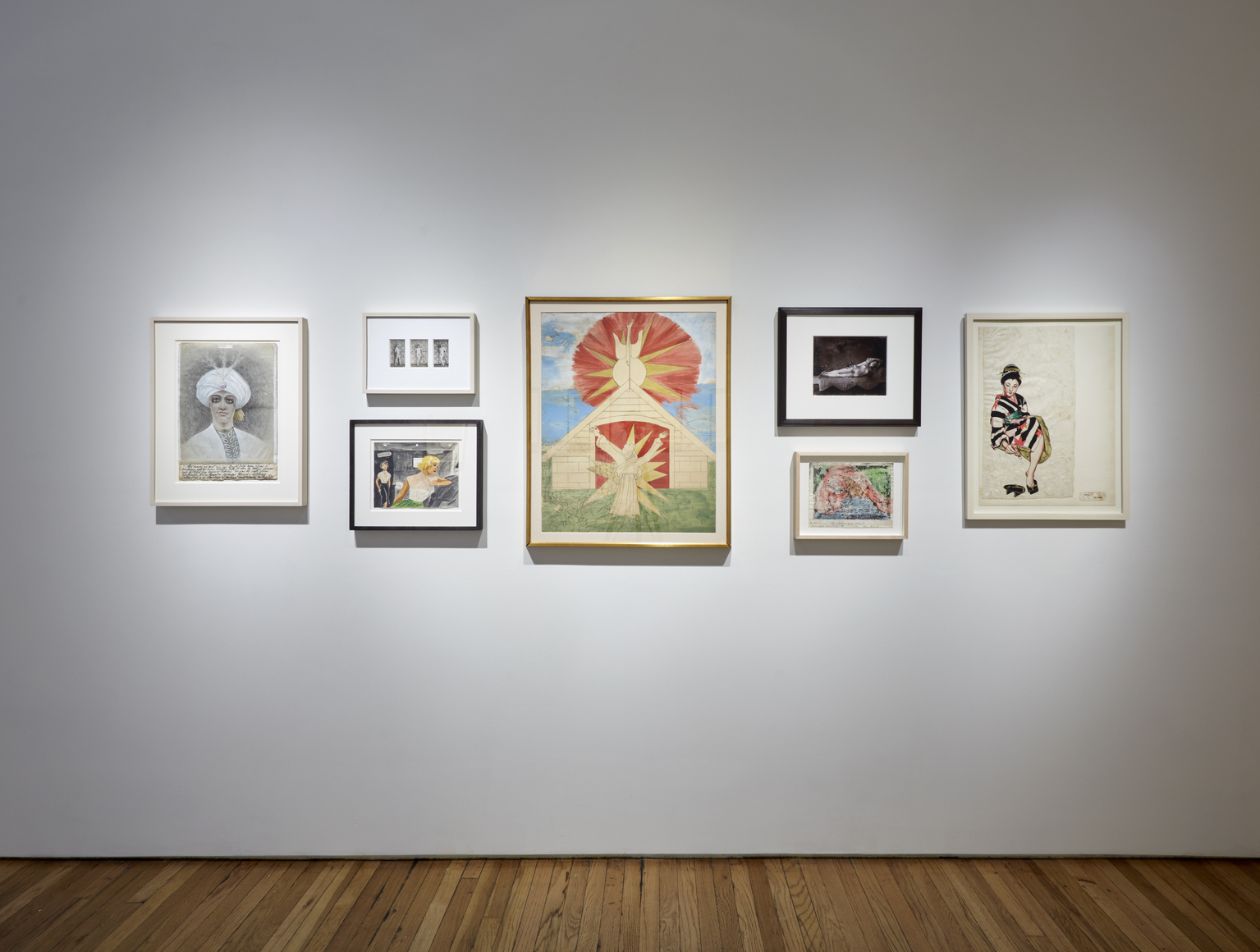
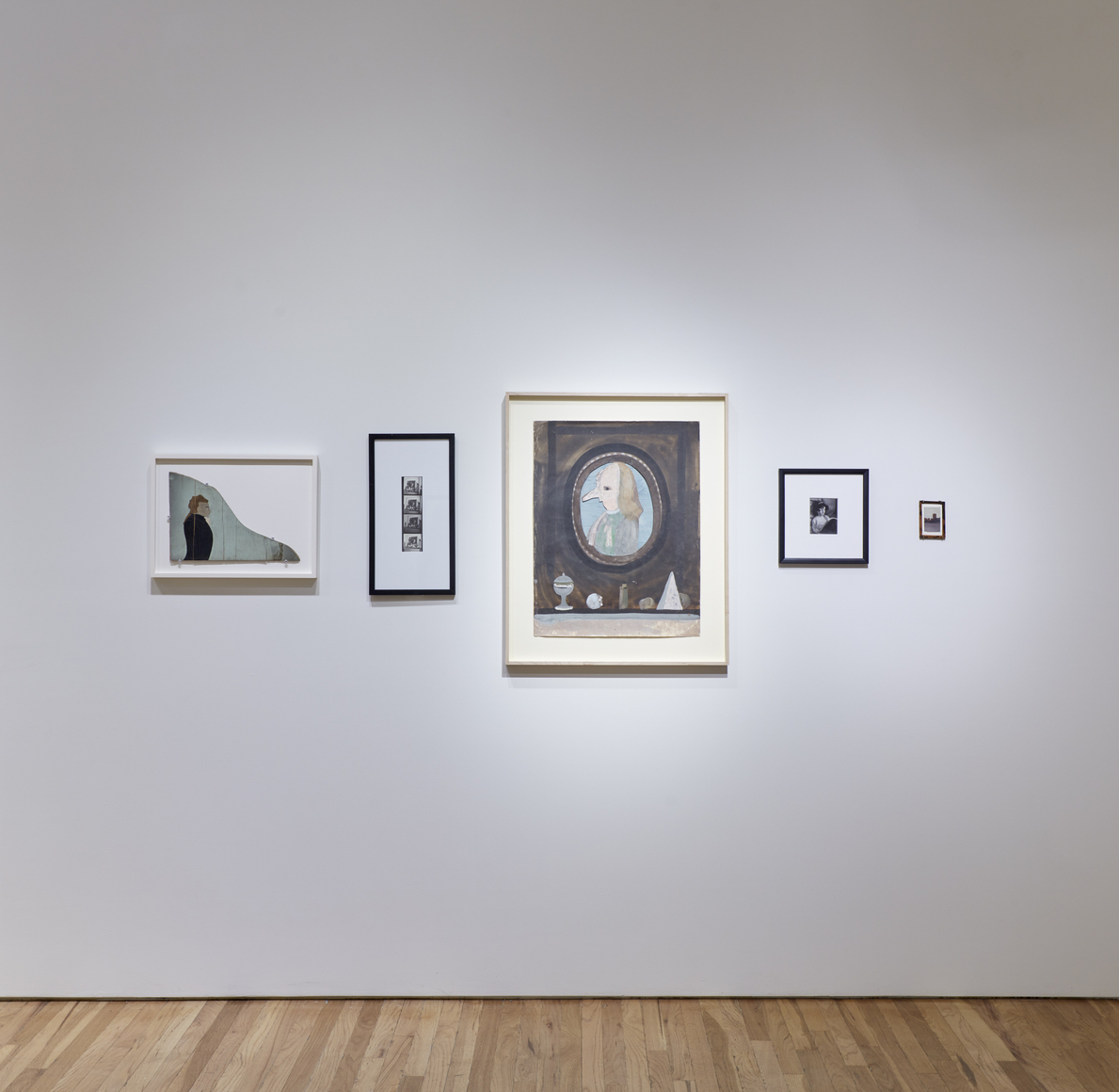
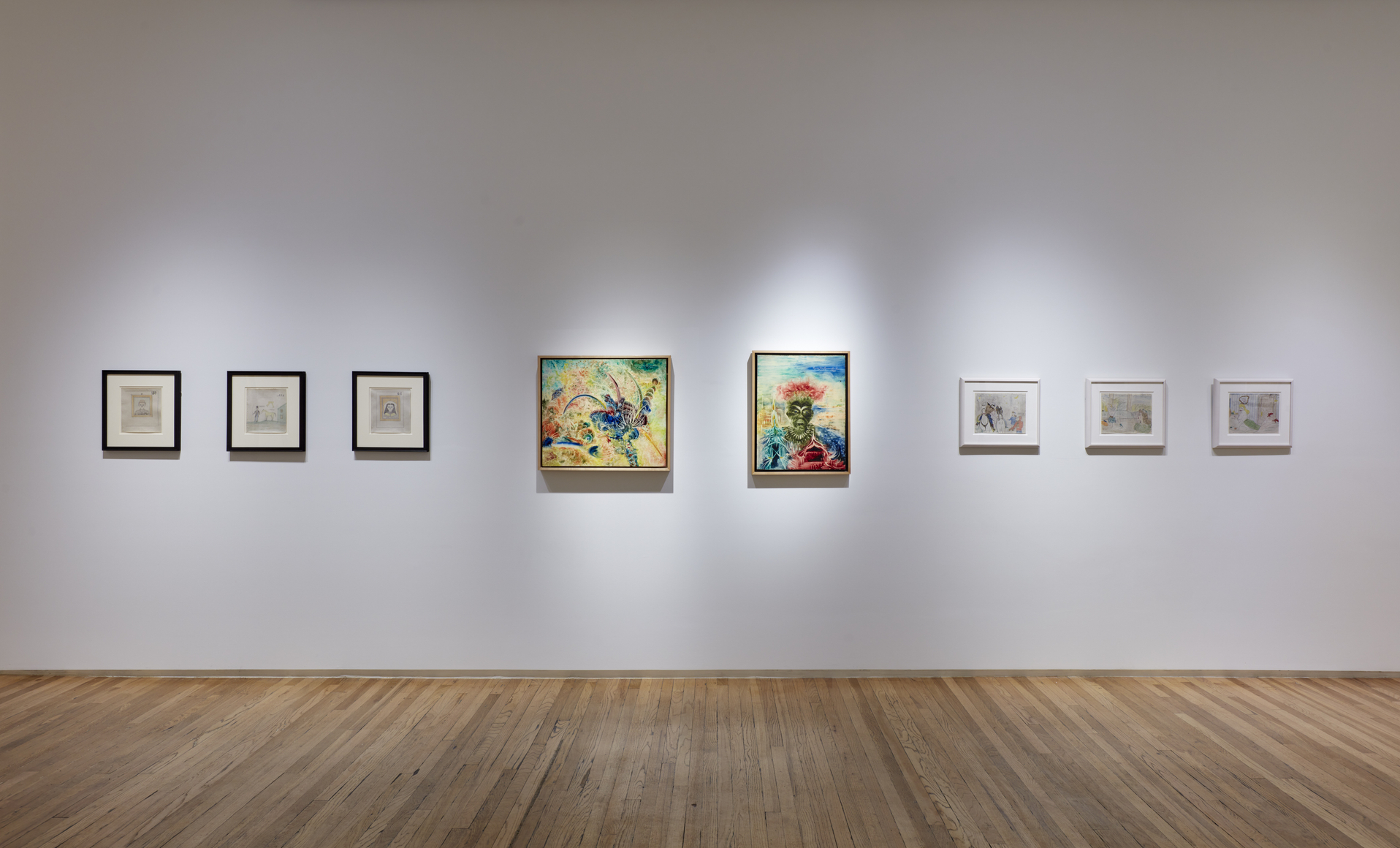
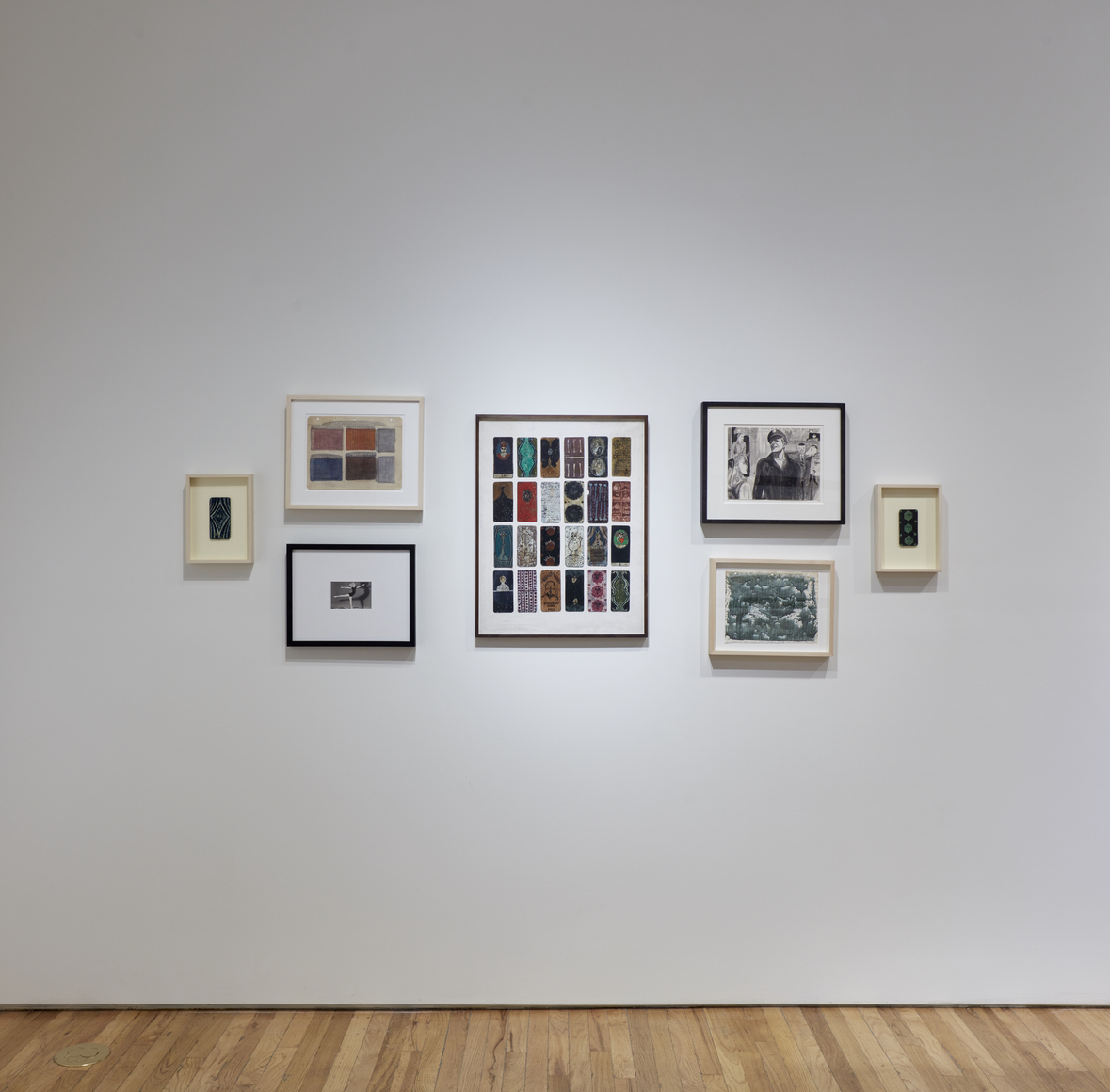
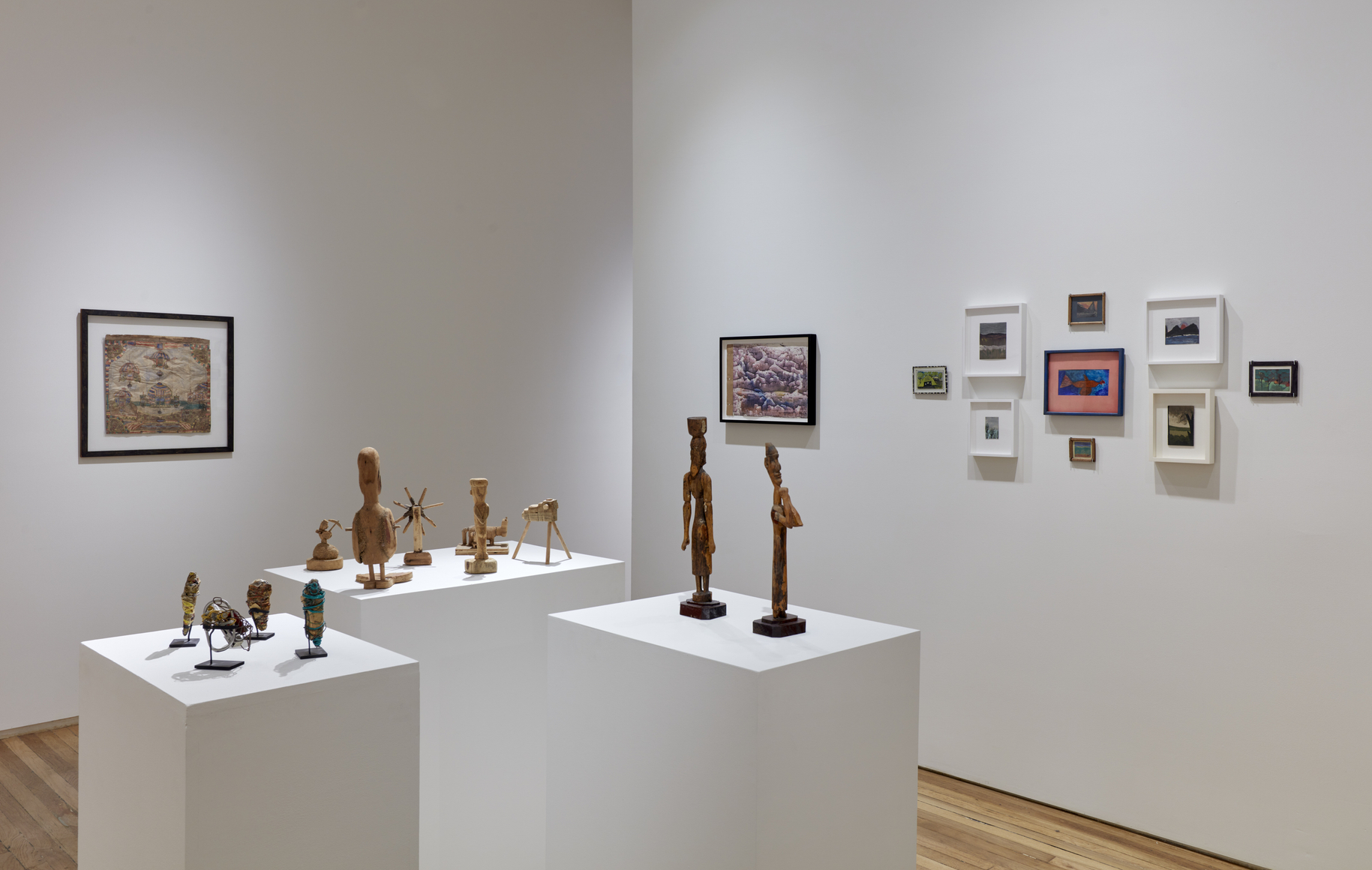
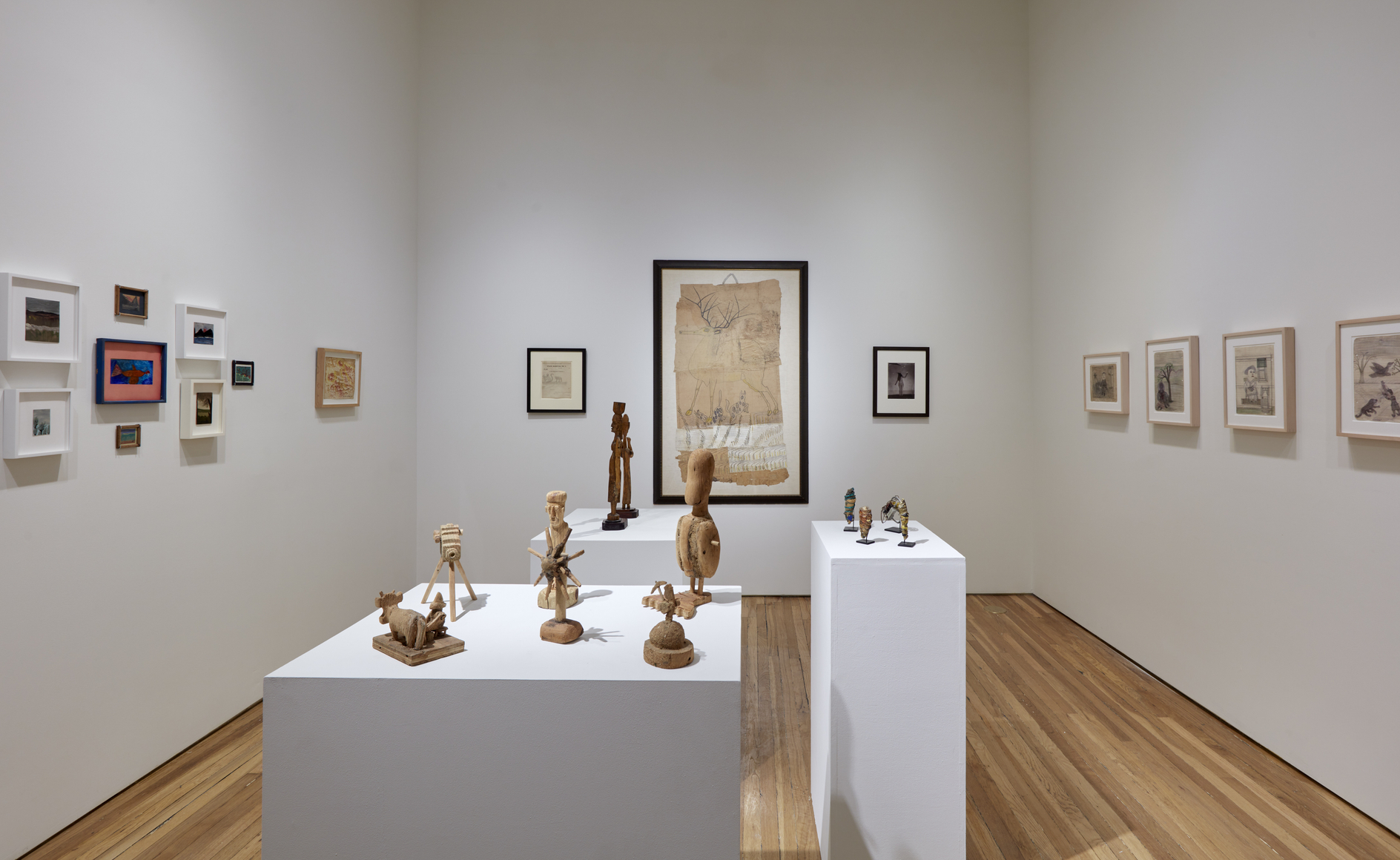
The exhibition Afterlife, curated by critic and curator Paul Laster, showcases more than 70 artworks across various media by 19 international self-taught artists, mostly discovered after death in fascinating ways, whose posthumous work significantly contributed to shaping the Modern, Contemporary, and Outsider Art canons.
Artists include Morton Bartlett, E.J. Bellocq, Pearl Blauvelt, John Byam, Felipe Jesus Consalvos, Mary Paulina Corbett, Robert Coutelas, Henry Darger, Charles A. A. Dellschau, James Edward Deeds, Vivian Maier, Melvin Edward Nelson, Philadelphia Wireman, Martín Ramírez, Daniel E. Rohrig, Marcel Storr, Eugene Von Bruenchenhein, Abraham Lincoln Walker, Grant Wallace, and Frank Walter.
Highlights are early watercolor and pencil portraits of the Vivian Girls by Henry Darger (1892–1973); E.J. Bellocq’s (1873–1949) intimate photographs of prostitutes in Storyville, New Orleans’ legal red-light district; miniature tarot cards featuring symbolic motifs by Robert Coutelas (1930-1985); Mary Paulina Corbett’s (1930–2019) colored pencil drawings of "The Catville Kids," a fictional cast she created in her youth to depict scenes of everyday life, parties, and romantic reunions; John Byam’s (1929–2013) hand-carved wooden sculptures of common objects like cars, cameras, and houses; visionary portraits accompanied by texts by Grant Wallace (1868–1954), based on telepathic transmissions he believed he received from spirits and extraterrestrials; and documentary photographs shot on the streets of Chicago by Vivian Maier (1926–2009), who secretly captured over 150,000 images while working as a nanny.
The stories of how these artworks were discovered are equally fascinating. Pearl Blauvelt (1893–1987) lived for decades in a house without electricity, running water, or central heating in rural Pennsylvania. Known as the "Village Witch,” she created around 800 drawings in the 1940s and 1950s using graphite and colored pencil on simple materials like ruled notebook paper, envelopes, and paper bags. Her artwork was discovered by chance years after she was declared incompetent and moved to a care facility, where she stayed until her death in 1987. Her former home remained vacant for nearly 50 years until it was purchased in the early 2000s by artists, who discovered a leather-hinged wooden box hidden under debris that contained her entire body of work. Her work is now in the collections of the Museum of Modern Art in New York, the Centre Pompidou in Paris, and the Pennsylvania Academy of the Fine Arts.
Charles August Albert Dellschau (1830–1923) was a Prussian-born immigrant and retired butcher who spent his last 20 years working in a small attic apartment in Houston. There, he obsessively created large, hand-bound notebooks filled with over 2,500 drawings, watercolors, and collages about fantastical steampunk-style airships he claimed were developed by a secret society. Dying in obscurity, his work was forgotten in his family's attic for decades. After a house fire in the 1960’s, the notebooks were discarded onto the sidewalk. A second-hand furniture dealer bought 12 of them from a trash collector for $100. They sat in his warehouse under old carpets for over a year. In 1968, an art student found the books while searching the warehouse for items for an exhibition on flight. She brought the work to art patron Dominique de Menil, who bought several notebooks for $1,500 and displayed them at Rice University and the University of St. Thomas, helping to establish Dellschau’s posthumous fame.
James Edward Deeds (1908–1987) spent most of his adult life in a psychiatric hospital, creating detailed pencil and crayon drawings on ledger paper as a patient. After his death, a teenager found a hand-sewn album with 283 drawings among trash on a curb, accidentally discarded by Deeds' brother during a move. The teen kept the album for 36 years before selling it on eBay in 2006. Art dealer Harris Diamant bought the drawings and called the anonymous artist "The Electric Pencil,” after a misspelling in one drawing, "ECTLECTRC PENCIL," later believed to refer to electroconvulsive therapy (ECT) he received at the hospital. Diamant sought to uncover the artist's true identity through public research. A 2011 newspaper article caught Deeds' nieces' attention; they recognized the drawings and identified their "Uncle Edward" as the artist.
More captivating stories about these “Afterlife” discoveries can be found at the gallery, where their art comes to life through tales of their creatively fulfilled times.